

Where to Place Your Pooja Room? 7 Vastu-Friendly Tips
Ever prayed for something desperately and got the exact opposite? Maybe your pooja room placement is sabotaging your spiritual connection. As someone who’s analyzed hundreds of homes, I can tell you that where you place your pooja room according to vastu shastra principles actually matters.
The energy flow in your sacred space affects everything from financial prosperity to family harmony. Many homeowners struggle with pooja room placement, unsure if that north-east corner is really the vastu-approved sweet spot everyone claims.
I’ve compiled seven vastu-friendly tips that will transform your pooja room from an afterthought to the spiritual anchor your home deserves. But before I reveal the first (and most overlooked) placement rule, you should know why most people get it completely wrong…
Understanding Vastu Shastra for Pooja Room Placement
The spiritual significance of a properly placed pooja room
A pooja room isn’t just another space in your home—it’s the spiritual heart of your dwelling. When placed according to vastu principles, this sacred space becomes a powerful energy center that can transform your entire home’s atmosphere.
The ancient sages who developed Vastu Shastra understood something profound: location matters. They recognized that certain areas in a home naturally accumulate more positive cosmic energies. When your pooja room occupies these spots, your prayers don’t just reach the divine—they’re amplified.
Think about it. Have you ever walked into a properly positioned prayer room and instantly felt a sense of calm wash over you? That’s not coincidence—it’s energy alignment at work.
In homes with vastu-compliant pooja rooms, families often report better harmony, improved focus during prayer, and a general sense of well-being. The northeast corner (Ishanya) is particularly potent, as it’s considered the dwelling place of divine energies.
How vastu alignment enhances positive energy
The magic of a vastu-aligned pooja room lies in how it works with natural energy flows, not against them.
Energy in your home moves like invisible rivers. Vastu principles help you tap into these currents rather than swimming upstream. When your sacred space aligns with these natural patterns, the results can be remarkable:
- Energy amplification: The right placement acts like a spiritual antenna, strengthening your connection to divine forces
- Balanced atmosphere: A properly positioned pooja room helps distribute positive vibrations throughout your home
- Mental clarity: The aligned energies make meditation and prayer more effective
- Protection: Acts as an energy shield, blocking negative influences from entering your living space
Many homeowners notice that after correcting their pooja room placement, other aspects of life seem to fall into place too—from relationships to finances.
Common mistakes to avoid when positioning your sacred space
Getting your pooja room placement wrong can actually block the very blessings you’re seeking. Here are the most common pitfalls I observe:
Positioning your pooja room in the southern or southwestern direction is likely the most significant mistake. These directions are associated with heavier energies that can suppress spiritual vibrations.
Another common error? Establishing your sacred area beneath a staircase or within bathroom/kitchen extensions. These areas carry chaotic or impure energies that directly conflict with the sanctity your pooja room requires.
Watch out for positioning your altar so you face south while praying. This orientation can create spiritual disconnection over time.
Many people also overlook the importance of keeping their pooja room clutter-free. Even perfect placement can’t overcome the energy-blocking effect of mess and disorder.
And please—never position your deity idols at lower heights than where you sit. This seemingly minor detail actually represents a significant show of disrespect in spiritual terms.
The Northeast Corner: The Ideal Location
Why the “Ishan Kona” is considered auspicious
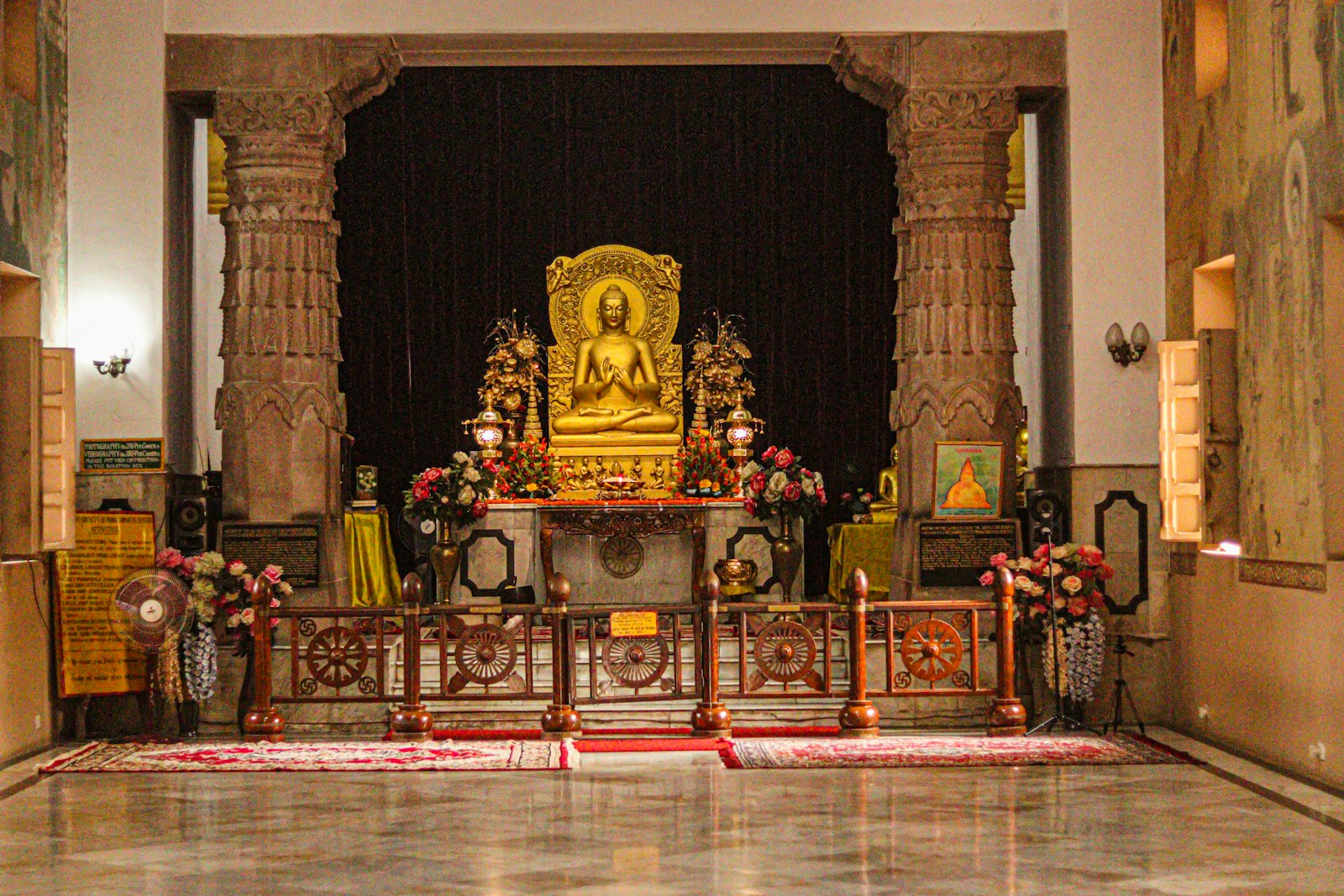
The northeast corner, or “Ishan Kona” as it’s traditionally called, isn’t just some random spot in your home. It’s basically Vastu royalty.
This corner is ruled by two powerful forces: Ishana (the god of northeast) and Kubera (the god of wealth). Talk about a power duo! According to ancient Vastu texts, this corner receives the first rays of the morning sun, bringing positive energy right into your sacred space.
Consider the northeast corner to be the energy gateway of your home. Morning sunlight carries with it prana (life force), which naturally flows in through this direction. When you place your pooja room here, you’re essentially positioning your spiritual center at the exact spot where divine energy enters your home. Smart move, right?
Ancient sages observed that this corner naturally maintains a cooler temperature and has a calmer vibe compared to other directions. This makes it perfect for meditation and prayer—activities that require peace and stillness.
Benefits of northeast placement for family harmony
Want to know why so many Indian households swear by northeast pooja rooms? The benefits go way beyond tradition.
A northeast-placed pooja room acts like your family’s spiritual anchor. It creates a center of positive vibrations that ripple throughout your home, touching everyone who lives there.
Many families report feeling more connected after establishing a pooja room in this direction. It’s like the space itself promotes understanding and patience among family members. Arguments decrease, compromises increase—who wouldn’t want that?
The northeast direction is linked to Jupiter (Guru), the celestial body representing wisdom and prosperity. By placing your sacred space here, you’re inviting these qualities into your home life. Parents notice children becoming more focused on studies, and financial stability often improves.
I’ve spoken with countless families who made this simple change and saw remarkable differences in their home atmosphere. The shift isn’t just spiritual—it’s practical too.
Modifications if northeast placement isn’t possible
Living in a modern apartment? Don’t stress if you can’t dedicate your northeast corner to a pooja room.
Here’s what works: create a mini altar in the northeast section of any room. Even a small shelf with your deities in this direction is better than abandoning the northeast principle altogether.
If your floor plan completely rules out any northeast options, the east or north walls make excellent alternatives. These directions share some energetic qualities with the northeast and can serve as good substitutes.
Another clever hack is to use mirrors. Place a mirror on the wall opposite your pooja room to reflect it toward the northeast direction. This creates an energetic bridge to the ideal direction.
Remember, Vastu is about principles, not rigid rules. The intention behind your sacred space matters more than perfect directional alignment.
Energy flow considerations in northeast-placed pooja rooms
A pooja room in the northeast isn’t automatically perfect—you need to get the energy flow right too.
First, keep the area clutter-free. Nothing blocks divine energy faster than piles of random stuff. The path from your main door to the pooja room should be relatively clear, allowing energy to flow smoothly.
Water elements enhance the northeast corner’s energy. A small fountain or even a simple water vessel placed in or near your pooja room can amplify positive vibrations.
Height matters in northeast pooja rooms. The altar should ideally be elevated—not flush with the floor. This creates an energetic hierarchy that honors the divine presence.
Colors play a crucial role too. Whites, light blues, and soft yellows work beautifully in northeast pooja rooms. These shades enhance the natural energy of this direction without overwhelming it.
Many people make the mistake of installing heavy storage in northeast pooja rooms. Avoid this! Heavy elements suppress the naturally light, flowing energy this corner needs to maintain.
East-Facing Pooja Room Benefits
A. Connection between sunrise and spiritual awakening
The eastern direction is of great importance in Vastu as it invites the initial rays of the morning sun. But this isn’t just about pretty sunrises—there’s something deeply powerful happening here.
When you pray facing east, you’re literally bathing in fresh solar energy. This isn’t some woo-woo concept—our bodies are naturally programmed to respond to sunrise with increased alertness and positivity. Your brain actually releases serotonin in response to morning light, creating that perfect mental state for spiritual connection.
Ancient texts describe the sun as the visible form of divinity itself. The rising sun symbolizes new beginnings, spiritual rebirth, and the triumph of light over darkness—pretty perfect themes for your daily prayers, right?
Many devotees swear that their meditation feels deeper and prayers more focused when performed at dawn while facing east. The quiet atmosphere of early morning combined with eastern energy creates the ideal conditions for spiritual awakening.
B. How eastern placement amplifies morning prayers
An east-facing pooja room essentially creates a direct channel to cosmic energy during those precious morning hours. Your prayers literally travel along the same path as incoming solar energy—talk about spiritual efficiency!
The benefits are practical too:
- Enhanced focus: Morning light stimulates alertness without the harsh intensity of midday sun
- Better routine: You’re more likely to maintain consistent prayer times when aligned with natural cycles
- Family participation: When your pooja room catches morning light, it naturally draws family members to participate before starting their day
Eastern placement also protects your sacred space from the harsher afternoon sun, keeping delicate items like photos, incense, and religious texts from fading or overheating.
Elevated Pooja Room Placement
Why height matters in spiritual spaces
Ever noticed how temples and spiritual places are often built on elevated ground? That’s not a coincidence. In Vastu Shastra, height plays a crucial role in spiritual energy flow. When your pooja room sits at a higher level than the rest of your home, it creates a natural hierarchy that honors the divine.
The elevation creates a literal and symbolic separation between everyday activities and sacred rituals. Think about it – when you step up to enter your pooja space, you’re physically transitioning from mundane to spiritual. This simple act helps shift your mindset and prepares you for worship.
Higher spaces also collect positive energy more effectively. Just like heat rises in a room, spiritual energy tends to accumulate in elevated spaces, making your prayers and meditations more potent.
Practical ways to elevate your pooja room
Don’t worry if you can’t renovate your entire home! Here are some smart ways to create elevation:
- Install a wooden platform (about 3-5 inches high) beneath your altar
- Use a decorative pedestal or cabinet as your pooja base
- Create a small step at the entrance of your pooja area
- Place your deities on tiered shelving with the most important ones at the highest level
- If building new, design a slightly raised floor for the pooja room
Balancing elevation with accessibility
Elevation is important, but so is being able to actually use your sacred space! The ideal height allows comfortable sitting during prayers while maintaining the spiritual benefits of elevation.
For elderly family members or those with mobility issues, consider:
- Installing sturdy handrails near steps
- Keeping the elevation modest (2-3 inches can be enough)
- Including a comfortable seating area at floor level
- Creating a gradual incline rather than a sudden step
Remember, spiritual connection should be available to everyone in the household, regardless of physical ability.
Traditional significance of raised worship areas
This practice isn’t new – it’s deeply rooted in ancient wisdom. Traditionally, temples were built on mountains or hills to symbolize reaching toward heaven. The same principle applies in your home.
In traditional Hindu architecture, the garbha griha (sanctum sanctorum) is often the highest point in the temple structure. By elevating your home pooja room, you’re connecting with thousands of years of spiritual practice.
Many ancient texts suggest that raised worship areas help maintain the purity of the space. When elevated, the sacred area is less likely to be contaminated by dust or impurities from foot traffic, and stands as a visual reminder of respect for the divine.
Pooja Room Positioning Relative to Other Spaces
Keeping the sacred space away from bathrooms and kitchens
The placement of your pooja room matters more than you might think. One of the most important vastu rules is to keep your sacred space far away from bathrooms and kitchens. Why? These areas are considered sources of impurity in vastu shastra.
Bathrooms contain waste and moisture, while kitchens produce smoke, odors, and are filled with fire energy. Your pooja room should be at least 8-10 feet away from these spaces to maintain its sanctity.
When you place your pooja room too close to a bathroom or kitchen, the energy flow gets disrupted. Think about it – would you want cooking smells or bathroom odors wafting into your sacred space while you’re meditating or praying?
Ideal distance from the master bedroom
Your pooja room shouldn’t be directly inside your master bedroom, but it doesn’t need to be miles away either. The ideal distance is having it in an adjacent room or a dedicated corner that’s visible from your bedroom.
This creates a nice balance – close enough for easy access during your morning prayers, but separate enough to maintain the boundary between rest and worship spaces.
Many people wonder if having a pooja room too close to where you sleep might disrupt your rest. The truth is, it’s not about distance as much as proper orientation. Your pooja room ought to be oriented towards the east or northeast, whereas your bed should preferably be positioned to face south.
Pooja room placement in open floor plans
Modern homes with open layouts pose unique challenges for pooja room placement. No walls to separate spaces? No problem!
In open floor plans, create a dedicated zone for your pooja room using:
- Decorative screens or room dividers
- Different flooring materials
- Slightly elevated platforms
- Glass partitions that allow light while creating boundaries
The key is making sure your sacred space feels distinct from the living or dining areas, even without solid walls. Place your pooja room in the northeast corner of your open space for maximum positive energy.
Creating boundaries when space is limited
Living in a compact apartment? You can still have a proper pooja space by:
- Using a cabinet or alcove that can be closed when not in use
- Installing a small shelf on an east-facing wall
- Establishing a folding screen in a corner designated for worship
- Utilizing a rolling cart that can be moved as needed
The physical boundary doesn’t need to be permanent or large – even a change in wall color or a special rug can define your sacred space effectively.
Maintaining purity through proper adjacencies
Beyond just avoiding bathrooms and kitchens, your pooja room benefits from positive adjacencies too. Place it near spaces that complement its peaceful energy:
- Adjacent to a modest indoor garden or plant space
- Adjacent to a quiet study or reading nook
- Near a meditation space
- Close to an east-facing window for morning sunlight
Avoid placing your pooja room next to noisy areas like entertainment rooms, laundry spaces, or children’s play areas. Remember, it’s not just about physical cleanliness – it’s about energy cleanliness too. The spaces that surround your pooja room should support, not detract from, its sacred purpose.
Direction-Specific Deity Placement
Arranging idols according to directional significance
Ever wondered why your grandma insisted certain gods face specific directions? It’s not just tradition—there’s deep meaning behind it.
In Vastu Shastra, every direction is associated with particular cosmic energies. When you place deities accordingly, you’re essentially creating a powerhouse of positive vibrations.
The east direction represents the sun and new beginnings—perfect for Lord Surya or Ganesha. North is ruled by Kuber (wealth), making it ideal for Lakshmi. West houses Varuna, guardian of water elements, while south belongs to Yama and is suitable for forms of Lord Shiva.
Here’s a quick reference:
- East: Sun deities, Ganesha, Surya
- North: Lakshmi, Kuber
- West: Varuna deities
- South: Shiva, Kartikeya
Positioning of different gods and goddesses
Your pooja room isn’t just a random collection of deities—their placement matters tremendously.
Lord Ganesha typically occupies a prime position since he’s worshipped first. Place him in the northeast (Ishan) corner or facing east for maximum benefit.
Goddess Lakshmi thrives in the north, attracting prosperity. Saraswati performs exceptionally well in the northeast, fostering knowledge and understanding.
The Shiva family (Shiva, Parvati, Ganesha, Kartikeya) can be positioned in the west or south walls. Vishnu, along with Lakshmi, works best in the northeast or east.
Never place your deities:
- Directly facing the entrance
- On unstable surfaces
- At floor level (always elevated)
- Facing the bathroom
Creating harmony through proper deity arrangement
Striking a balance between tradition and practicality fosters an ideal spiritual environment.
Vertical arrangement matters too. Position more powerful deities like Shiva or Vishnu at higher levels than their consorts or children. But keep all deities at eye level or higher—never below your line of sight.
Group related deities together. The Shiva family should stay close, as should Vishnu and Lakshmi. This creates a harmonious energy flow.
The central deity should reflect your family’s tradition (kula devta) or personal ishta devta (chosen deity). Surrounding deities should complement, not overpower this energy.
Space matters too—avoid cluttering your altar. Each deity deserves breathing room to emanate their unique vibrations. When deities are properly arranged, you’ll notice a palpable difference in the room’s energy and your prayer experience.
Making Vastu Corrections for Existing Pooja Rooms
Simple remedies for improperly placed sacred spaces
Already have a pooja room that’s not quite in the right spot? Don’t panic! You don’t need to knock down walls or completely renovate your home. Some simple fixes can help realign your sacred space with positive energy.
Start with decluttering. A crowded pooja room blocks energy flow. Remove unnecessary items and ensure the space feels open and peaceful. Next, try repositioning your altar or deity images within the room – even shifting them a few inches toward the northeast can make a difference.
For pooja rooms facing south or west (considered less auspicious), place a small brass Ganesha idol at the entrance to neutralize negative energies. A yellow cotton cloth under your deities can also enhance positive vibrations in improperly positioned rooms.
Another easy fix? Lighting. Replace harsh white bulbs with soft yellow ones or use ghee lamps during prayers. The warm glow creates a harmonious atmosphere regardless of room placement.
Using mirrors and colors to redirect energy
Mirrors serve as potent tools for Vastu correction, effectively redirecting the flow of energy without necessitating any structural modifications. Place a small mirror opposite the entrance of a south-facing pooja room to symbolically “reflect” it toward the north.
But be careful – never position mirrors to reflect the deity images directly, as this divides energy rather than enhances it.
Colors work wonders too. The right shades can balance misaligned spaces:
| Direction of Pooja Room | Recommended Colors | Colors to Avoid |
|---|---|---|
| South (less ideal) | White, blue, green | Red, black |
| West (less ideal) | Blue, white, green | Yellow, red |
| Southeast (not recommended) | White, light blue | Dark colors |
Paint the walls, use fabric hangings, or simply add colored accessories like cushions or mats. Even small color additions can shift the room’s energy significantly.
Yantra and crystal placements for energy balance
Yantras are geometric designs that pack serious spiritual punch when it comes to Vastu corrections. The Vastu Purusha Yantra placed on the eastern or northern wall can instantly neutralize dosha (defects) in improperly positioned pooja rooms.
For rooms in the southwest (a big Vastu no-no), place a Vastu Pyramid or copper Vastu Dosh Nivaran Yantra in the northeast corner of the room. This creates an energetic counterbalance.
Crystals are your other secret weapon. Clear quartz amplifies positive energy in any direction, while rose quartz brings harmony to spaces that feel “off.” Place them in a pattern:
- Northeast corner: Clear quartz for amplifying spiritual energy
- Southeast corner: Citrine for prosperity energy
- Northwest corner: Amethyst for divine connection
The combination of yantras and crystals creates an energetic grid that restructures the flow in your sacred space without requiring physical renovation.
When to consult a Vastu specialist for complex corrections
DIY fixes work wonders for minor Vastu issues, but some situations call for professional help.
Contact a Vastu specialist if:
- The location of your pooja room is in the southwest, which is regarded as the most inauspicious
- The room contains a toilet or bathroom attached
- Major structural elements like beams or columns cut through the space
- Your family experiences persistent health, financial or relationship problems despite trying basic remedies
A qualified specialist can recommend more advanced solutions like installing copper plates, specific mantras, or custom yantra combinations tailored to your unique situation.
When selecting a consultant, look for someone with credentials and client testimonials rather than those offering quick fixes. True Vastu correction is about energy harmonization, not selling expensive trinkets.
The best specialists will recommend gradual, practical changes rather than alarming you with dire predictions. Trust your intuition when choosing who to work with.
Creating a sacred space that aligns with Vastu principles can bring harmony and positive energy to your home. By placing your pooja room in the northeast corner or facing east, elevating it slightly, and maintaining appropriate distance from other household areas, you establish an optimal environment for worship. Remember that thoughtful deity placement according to directional significance and proper positioning relative to other rooms further enhances the spiritual atmosphere of your sacred space.
If your current pooja room doesn’t perfectly align with these Vastu guidelines, don’t worry. Simple corrections like adding mirrors, specific colors, or repositioning items can help balance the energies. The most important aspect is creating a clean, peaceful space that supports your spiritual practice. With these seven Vastu-friendly tips, you can design a pooja room that serves as a true sanctuary for connection with the divine in your home.
Where to Place Your Pooja Room? 7 Vastu-Friendly Tips By:
By: